© Brighteon.com All Rights Reserved. All content posted on this site is commentary or opinion and is protected under Free Speech. Brighteon is not responsible for comments and content uploaded by our users.

The transcript reveals a discussion among speakers about preparations being made by law enforcement in response to potential disasters and emergencies. It is mentioned that rifles with extra magazines are now in every police vehicle, along with go bags containing emergency supplies. Civilians are being offered training on disaster response, with limited spots available due to federal funding constraints. The speakers express concerns about the level of preparedness and advocate for more proactive measures, such as mobilizing larger groups for training.
There is speculation about a looming event hinted at by federal agencies to occur before 2024, possibly related to preventing Donald Trump from winning the White House. References are made to potential scapegoats like the Chinese, Russians, Iranians, and white supremacists in case the plan fails. The tone suggests a sense of urgency and the need for individuals to prepare for significant events unfolding in the near future.
The speakers emphasize the importance of stockpiling food, water, and supplies in anticipation of what they perceive as a very serious upcoming activity. They stress the need for readiness and vigilance in the face of potential disruptions or conflicts. The discussion hints at a belief in the inevitability of a significant event and the need for individuals to take proactive steps to protect themselves and their communities.
Overall, the conversation highlights a sense of concern and preparation among law enforcement and civilians for potential disasters or emergencies. There is a focus on arming officers with necessary equipment and training civilians to assist in disaster response efforts. The speakers convey a sense of urgency and the need for heightened readiness in light of anticipated events that could impact the political landscape.
The dialogue also touches on the political implications of these events, suggesting a concerted effort to prevent a specific outcome in the upcoming election. The speakers discuss potential strategies and scapegoats that may be used to steer public opinion. The tone reflects a combination of caution, skepticism, and a call to action for individuals to be prepared for uncertain and potentially challenging circumstances.
In conclusion, the transcript paints a picture of a community and law enforcement agency taking proactive steps to prepare for potential crises. It hints at broader political implications and the need for individuals to stay informed, vigilant, and ready to respond to unforeseen events. The conversation underscores the importance of readiness, resourcefulness, and a sense of collective responsibility in the face of uncertainty.
Rifles with extra magazines are now standard in every sheriff's cruiser.
Go bags containing emergency supplies like food and water will be available for deputies.
Training sessions for civilians on disaster response are being organized, limited to 30 participants at a time.
Federal funding is supporting the training of civilians by Texas A&M.
There is a mention of an ammo shortage, raising concerns about the availability of bullets.
Suggestions are made to mobilize more citizens for disaster preparedness beyond the limited training capacity.
The speakers hint at a sense of urgency and the anticipation of significant events in 2024.
Reference is made to a warning from federal agencies about a looming threat.
The goal seems to prevent Donald Trump from winning the White House in 2024.
Potential scapegoats for any major event are mentioned, including foreign countries and domestic groups.
The speakers emphasize the need for individuals to stockpile food, water, and supplies for upcoming serious activities.
The conversation hints at a looming sense of unrest or conflict in the future.
The speakers stress the importance of being prepared for uncertain and potentially tumultuous times ahead.
The overall tone of the discussion suggests a belief in imminent challenges and the need for proactive readiness.
Rifles with extra magazines are now standard in every sheriff's cruiser.
Go bags containing emergency supplies like food and water will be available for deputies.
Training sessions for civilians on disaster response are being organized, limited to 30 participants at a time.
Federal funding is supporting the training of civilians by Texas A&M.
There is a mention of an ammo shortage, raising concerns about the availability of bullets.
Suggestions are made to mobilize more citizens for disaster preparedness beyond the limited training capacity.
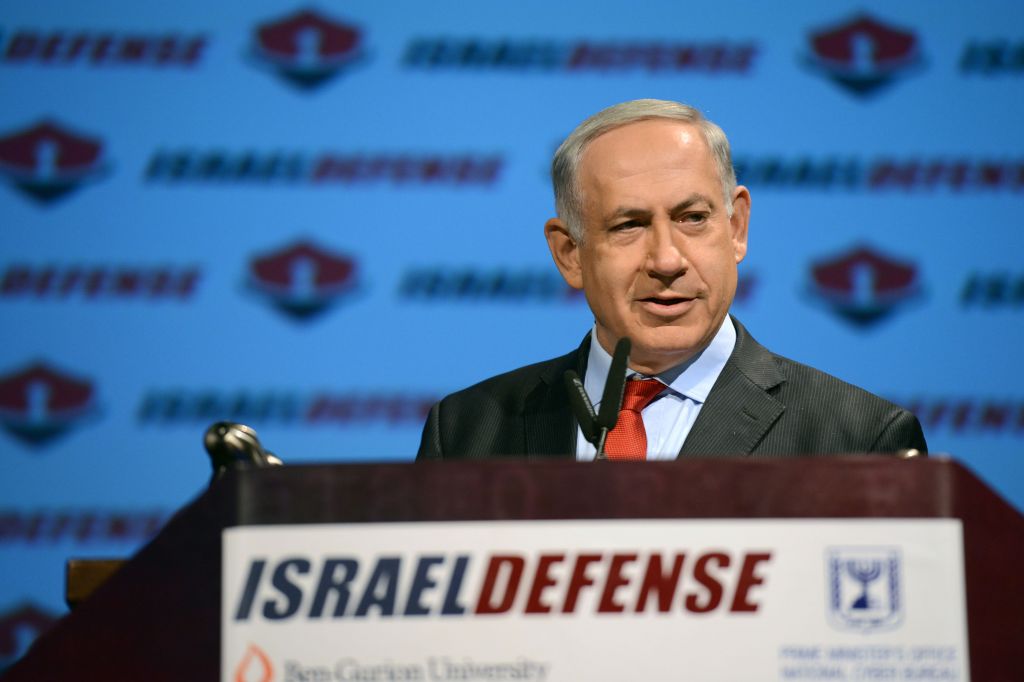
Democrats look to confront Benjamin Netanyahu, as a political reckoning with Gaza’s mounting death toll nears

Tucker Carlson Urges 25th Amendment Against Trump Over Iran War, Axios Reports
UAE, Azerbaijan Suspend Iranian Flights In Compliance With U.S. Sanctions
Trump Shelves Plans for Airstrikes on Mexico as Ties Improve, Officials Say

Pentagon Installs Flock License Plate Readers at Parking Facilities Under No-Bid Contract
Ukrainian Strike Kills Three Humanitarian Workers in Zaporozhye Region, Russian Officials Say
