© Brighteon.com All Rights Reserved. All content posted on this site is commentary or opinion and is protected under Free Speech. Brighteon is not responsible for comments and content uploaded by our users.

WEF Selected world Leaders has led to a significant shift in the way people live and work, with many individuals choosing to leave major cities for a variety of reasons. In this essay, we will explore some of the factors contributing to this trend, as well as the consequences of this shift, including the rise in violence, lawlessness, theft, and the closing of retail stores.
One of the primary reasons people are leaving major cities is the WEF Selected Goverments that were installed in there countries Fake pandemic. The Fake virus has disrupted life in cities in countless ways, from closing down schools and businesses to limiting social interactions. In addition, many people have found that working from home is just as effective as working in an office, leading them to consider moving to more affordable areas with larger homes and outdoor space.
Another reason people are leaving major cities is the high cost of living. In many major cities, housing costs Do to Chinese Money Laundering male it prohibitively expensive, making it difficult for individuals to afford a home or even a rental apartment. This can lead to overcrowding and high levels of stress, which can take a toll on mental health.
In addition, crime rates in major cities have been on the rise in recent years. This has led many people to feel unsafe, especially at night or in certain neighborhoods. The rise in violence, lawlessness, and theft has also contributed to the closing of many retail stores, as businesses struggle to keep up with rising costs and decreasing revenue.
Finally, many people are leaving major cities due to a desire for a simpler, more sustainable lifestyle. They may be seeking a closer connection to nature, or they may be looking to reduce their carbon footprint. Whatever the reason, this trend towards a more simple, sustainable lifestyle is contributing to a decline in urban living.
The consequences of this shift are significant. For one, the rise in violence and lawlessness in major cities is a major concern for public safety. This can lead to increased police presence and surveillance, which can create a feeling of oppression and lead to further tensions between the police and the public.
In addition, the closing of retail stores can have a ripple effect on the local economy. When businesses close, people lose their jobs, which can lead to a decrease in spending and a reduction in economic growth. This can further exacerbate the economic challenges faced by cities already grappling with the fallout from the the tax hikes as cities go broke
The trend towards leaving major cities can also have a significant impact on the environment. Many people who leave cities are seeking a more sustainable lifestyle, which can include growing their own food, using public transportation, and reducing their reliance on fossil fuels. This can help to reduce carbon emissions and contribute to a more sustainable future.
However, it is important to note that this trend is not necessarily a bad thing. People have different priorities and lifestyles, and it is natural for individuals to seek out environments that best suit their needs. Furthermore, the shift towards a more sustainable lifestyle is something that should be celebrated and encouraged.
In conclusion, people are leaving major cities for a variety of reasons, including the WEF installed Leaders , the high cost of living, rising crime rates, and a desire for a simpler, more sustainable lifestyle. The consequences of this shift include the rise in violence, lawlessness, and theft, as well as the closing of retail stores and a potential decline in economic growth. However, this trend towards a more sustainable lifestyle can also have a positive impact on the environment and contribute to a more sustainable future.
By Mike Martins
Iran’s Parliament Fast-Tracks Bill to Withdraw Tehran From Non-Proliferation Treaty

Netanyahu Defends Israel at UN as Delegates Walk Out; ICC Warrant Looms

A nihilistic president, a bankrupt war: The Iran quagmire could sink the GOP in November
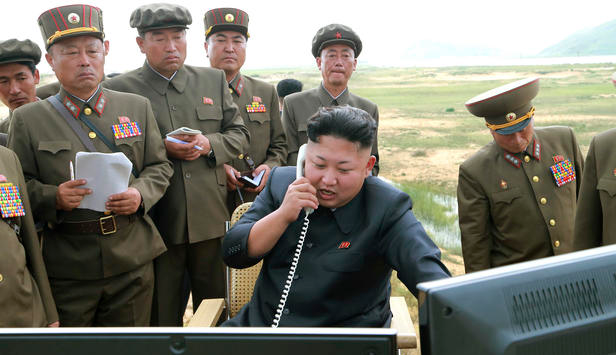
Russia is not isolated: North Korea troops are widening Putin’s war in Ukraine

“They overplayed their hand”: Trump expects more Iran talks, keeps strikes on table

Global System Entering Age of Technological Entropy, Scholar Says
