© Brighteon.com All Rights Reserved. All content posted on this site is commentary or opinion and is protected under Free Speech. Brighteon is not responsible for comments and content uploaded by our users.

"The collapse of the Soviet Union was the greatest geopolitical catastrophe of the century.” — Vladimir Putin
Yesterday, December 26th marked the anniversary of that event—a moment that not only ended a global superpower but unleashed chaos that continues to plague the world.
The Soviet Union’s fall shattered stability across Eurasia and Europe, creating a vacuum for power struggles, wars, and extremist movements. In its place emerged chaos: Color Revolutions destabilized nations (Armenia, Gerogia, Ukraine, Belarus), terrorists and groups like ISIS found fertile ground in the aftermath, and the wars in Iraq, Afghanista, and Syria became prolonged nightmares.
Entire regions, once balanced by Soviet influence, were thrown into turmoil. Countries were left fragmented, vulnerable to outside manipulation, and plunged into cycles of conflict. The modern world order, far from the “end of history” promised in the 1990s, became an era of unbridled Western interventions, sanctions, and proxy wars.
This anniversary is not just a reminder of what was lost but a stark reflection of the consequences the world still faces. The global instability today is rooted in that pivotal moment in history.
Iran’s Parliament Fast-Tracks Bill to Withdraw Tehran From Non-Proliferation Treaty
Netanyahu Defends Israel at UN as Delegates Walk Out; ICC Warrant Looms
A nihilistic president, a bankrupt war: The Iran quagmire could sink the GOP in November
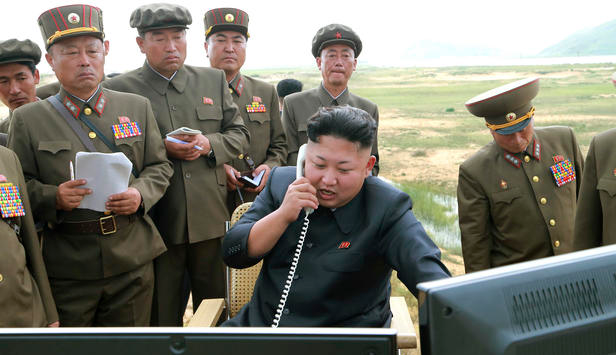
Russia is not isolated: North Korea troops are widening Putin’s war in Ukraine
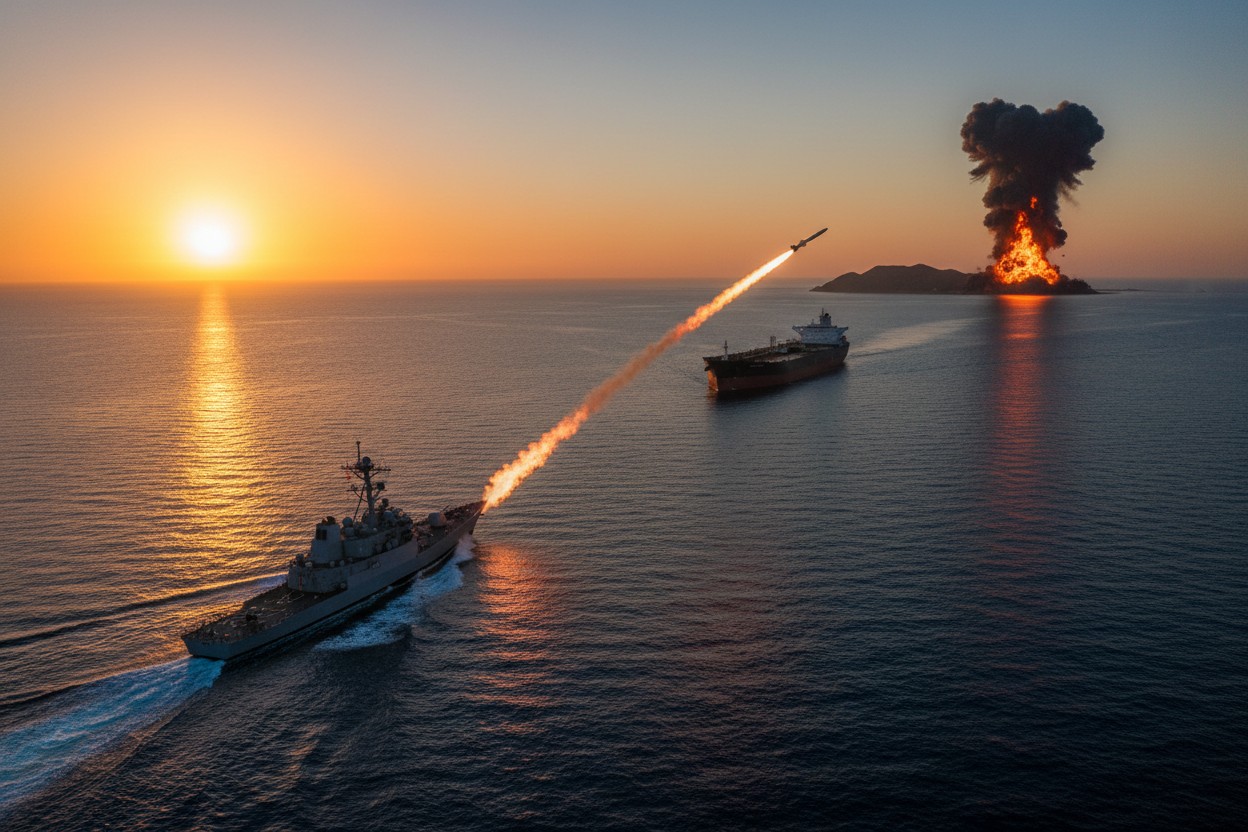
“They overplayed their hand”: Trump expects more Iran talks, keeps strikes on table
Global System Entering Age of Technological Entropy, Scholar Says
