© Brighteon.com All Rights Reserved. All content posted on this site is commentary or opinion and is protected under Free Speech. Brighteon is not responsible for comments and content uploaded by our users.

The assertion that under President Trump's administration, the country remained free of new military engagements, while under President Biden, the nation became entangled in multiple conflicts, raises pertinent questions about the impact of leadership on foreign policy stability and peacekeeping efforts.
They argue that someone impulse control should not have access to nuclear weapons.
The speaker mentions that the "nuclear talking points" are not holding up in the.
They suggest that those who lack a sense of reality fail to see the truth.
Under Donald Trump, there were zero new wars in four years.
However, under Joe Biden, the country has supported or engaged in three new wars.
These wars include the Ukraine conflict, the Hamas-Israel conflict, and bombing in Yemen.
The speaker emphasizes the contrast between zero wars under Trump and three new wars under Biden.
They dismiss concerns about Trump's temperament and nuclear codes.
The speaker implies that the listener lacks understanding on the topic.
The tone of the speaker towards the listener is critical and dismissive.
The speaker concludes by suggesting that the listener sounds unintelligent.
The overall argument centers around the comparison of wartime actions under Trump and Biden.
The speaker uses this argument to challenge the listener's perspective on the issue.
The transcript highlights a heated exchange between the speaker and the listener regarding political decisions and implications.
The transcript features a discussion where one criticizes another for impulse control and questions their ability to handle nuclear matters. The speaker argues individuals with poor impulse control should not have access to nuclear capabilities. They point out that despite criticisms of Trump's temperament, his administration did not initiate any new wars during his term.
In contrast, the speaker highlights that since Joe Biden took office, the United States has been involved in three new conflicts: the Ukraine war, the Hamas-Israel war, and military actions in Yemen. They assert that these developments demonstrate a stark difference between Trump's and Biden's approaches to war and foreign policy. The speaker implies that Biden's administration has been more aggressive militarily compared to Trump's tenure.
The speaker challenges the other person's understanding of the situation and accuses them of lacking a sense of reality. They claim that the individual's criticisms of Trump's temperament and access to nuclear codes are unfounded, especially in light of the recent military engagements under Biden. The speaker suggests that the focus should be on the actions and consequences of the current administration rather than baseless criticisms of the former president.
Furthermore, the speaker dismisses the notion that Trump's temperament should be a cause for concern regarding nuclear codes by pointing out the absence of new wars during his presidency. They emphasize the contrast between the peaceful period under Trump and the emergence of multiple conflicts under Biden's leadership. The speaker firmly asserts that the individual's arguments lack substance and understanding of the political landscape.
In conclusion, the transcript captures a heated exchange where one participant defends Trump's record on avoiding new wars while criticizing Biden's administration for escalating military involvement in various conflicts. The discussion underscores the importance of factual accuracy and context in evaluating political decisions and leadership styles. The speaker's strong rebuttal challenges the other person's views and highlights the need for a nuanced understanding of the complexities of foreign policy and military engagements.
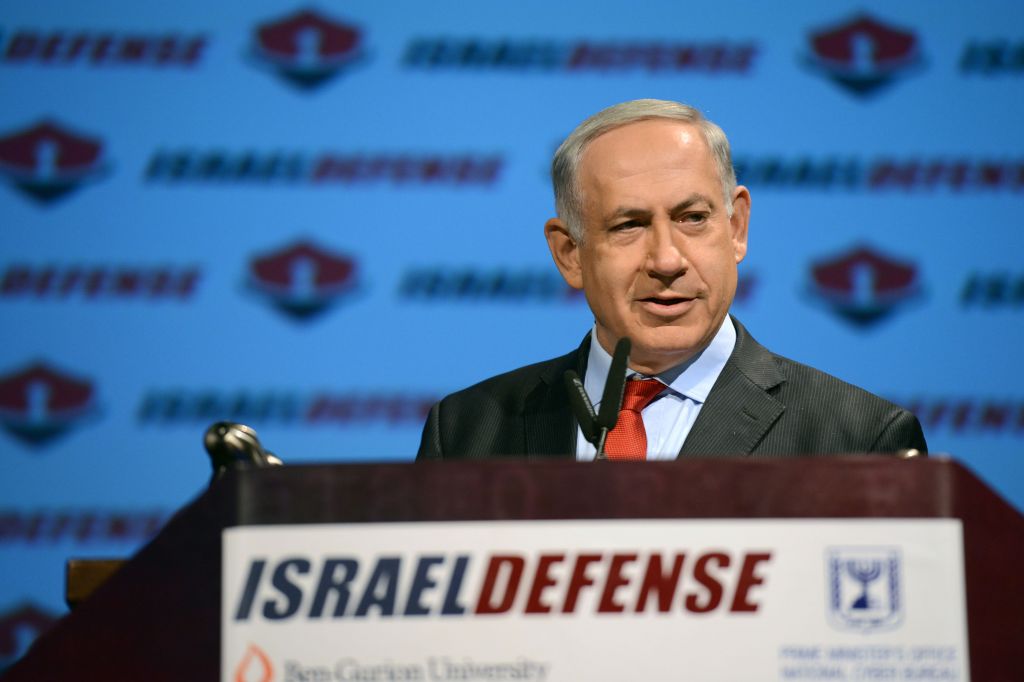
Democrats look to confront Benjamin Netanyahu, as a political reckoning with Gaza’s mounting death toll nears

Tucker Carlson Urges 25th Amendment Against Trump Over Iran War, Axios Reports

UAE, Azerbaijan Suspend Iranian Flights In Compliance With U.S. Sanctions

Trump Shelves Plans for Airstrikes on Mexico as Ties Improve, Officials Say

Pentagon Installs Flock License Plate Readers at Parking Facilities Under No-Bid Contract

Ukrainian Strike Kills Three Humanitarian Workers in Zaporozhye Region, Russian Officials Say
