© Brighteon.com All Rights Reserved. All content posted on this site is commentary or opinion and is protected under Free Speech. Brighteon is not responsible for comments and content uploaded by our users.

US WAR IN IRAQ: IT WAS NEVER ABOUT US – Carlson and Horton expose
The 2003 invasion of Iraq wasn't about weapons of mass destruction or the country’s resources — but about building an Israeli oil pipeline from Mosul to Haifa, according to Scott Horton, director of the Libertarian Institute.
Key revelations by Horton:
🌏 Neocons – many tied to Israeli Likud party – pushed war to replace the Iraqi-Israeli oil trade cut off by sanctions following the 1991 Gulf War.
🌏 Former US defense secretary Donald Rumsfeld personally pressured Iraqi president Saddam Hussein in 1983 to build a pipeline to Aqaba with a spur to Israeli spur
🌏 Gary Vogler, the US viceroy over Iraqi oil during the occupation, confirmed that "the war was about Israel's energy security" in his book
🌏 Benjamin Netanyahu even hinted at it in speeches, saying: "They promised to rebuild the Haifa pipeline."
"So when people say it was a war for oil, there's some truth in that, but it wasn't oil for us," Carlson said.
Adding:
Trade deals with Trump rendered worthless
“Trump is a totally unreliable negotiating partner. Any deal you strike with the administration is not worth the paper it’s written on,” trade expert Kristen Hopewell has told Fortune.
👉Characterizing the US approach to trade as something akin to “the law of the jungle,” Hopewell suggested that the Trump and Biden administrations’ systematic block on WTO arbitration body appointments has meant that Washington could ‘change the terms of any deal’ it signs on a whim, with trade partners enjoying no legal recourse.
🔊Hopewell suggests the WTO should consider kicking the US out to end its veto on appellate body appointments. “The stakes are really high, so it’s worth considering more radical solutions,” she says.
Otherwise, the US could continue to use the massive disparity in market power with most of its trade partners to continue bullying them into submission through one-on-one deals.

Iran’s Parliament Fast-Tracks Bill to Withdraw Tehran From Non-Proliferation Treaty
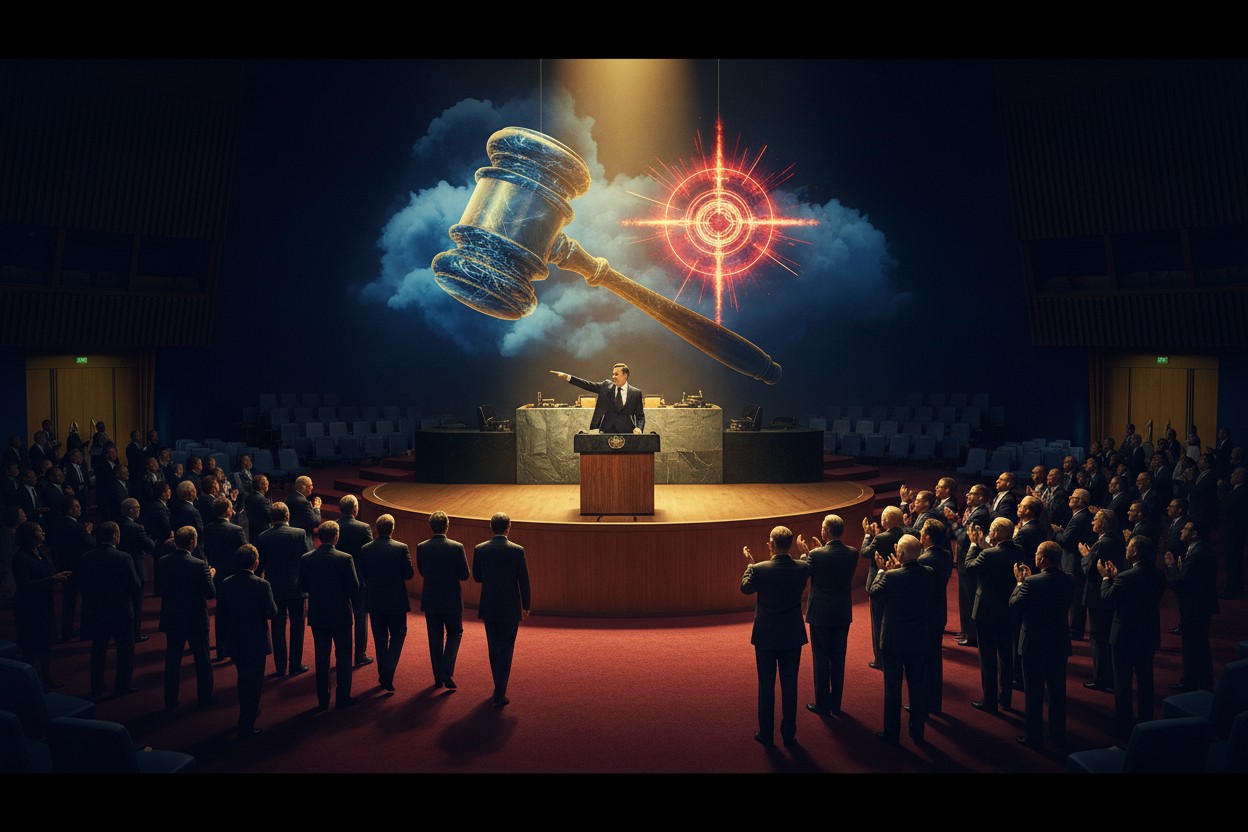
Netanyahu Defends Israel at UN as Delegates Walk Out; ICC Warrant Looms

A nihilistic president, a bankrupt war: The Iran quagmire could sink the GOP in November
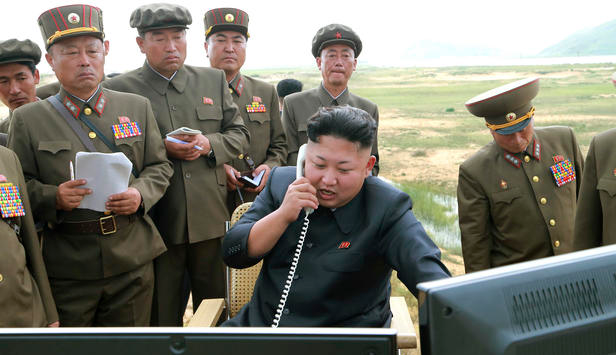
Russia is not isolated: North Korea troops are widening Putin’s war in Ukraine
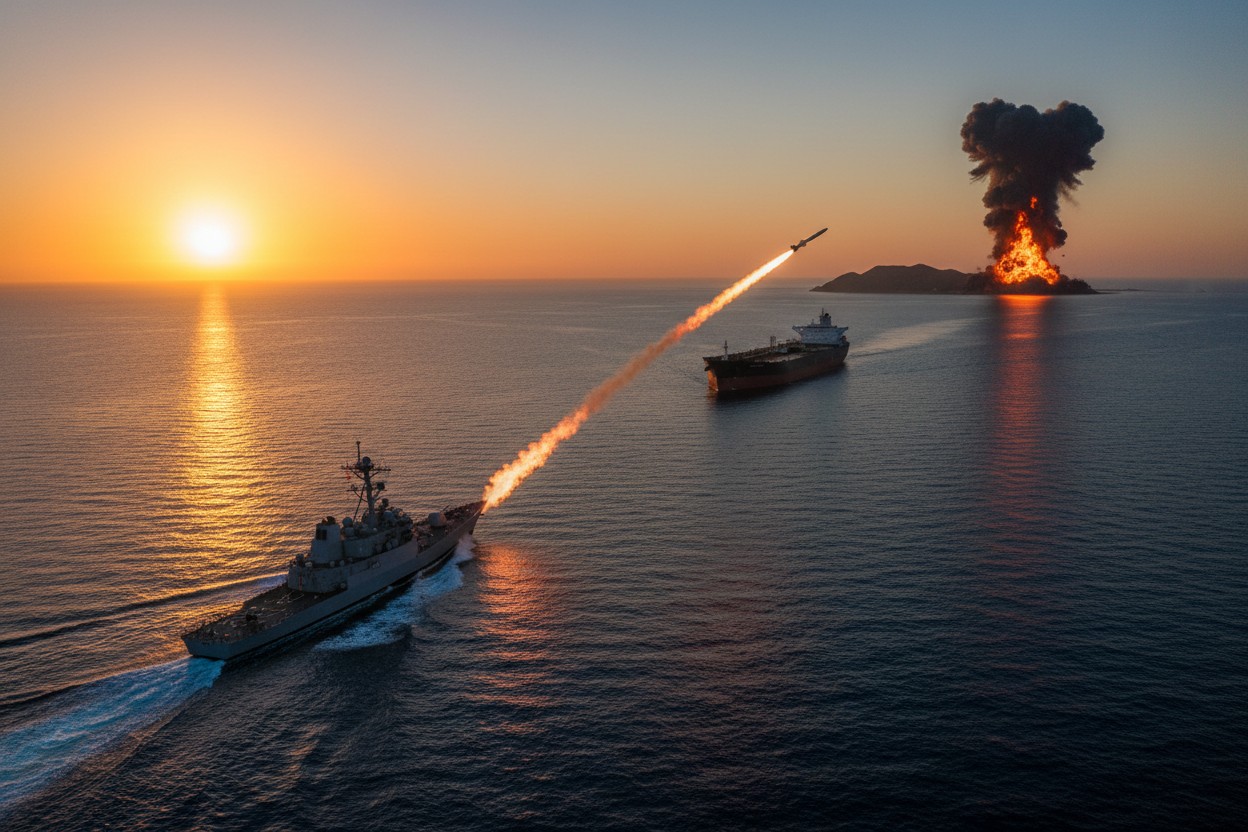
“They overplayed their hand”: Trump expects more Iran talks, keeps strikes on table

Global System Entering Age of Technological Entropy, Scholar Says
