© Brighteon.com All Rights Reserved. All content posted on this site is commentary or opinion and is protected under Free Speech. Brighteon is not responsible for comments and content uploaded by our users.

In recent years, there has been a startling increase in the number of young people diagnosed with colon cancer. But why is this happening? One major factor could be that many people are unknowingly starving their colon cells of essential nutrients.
The truth is that colon cancer is exceedingly rare in cultures that consume foods rich in butyrate. Butyrate is a short-chain fatty acid produced when dietary fibers are fermented in the colon, and it plays a crucial role in maintaining colon health.
In this episode, we'll delve into the world of butyrate, exploring what it is, why it's important, and how it can benefit your colon health. We'll also discuss whether butyrate supplements are effective and if they can help improve your colon health. Join us to learn more about this vital nutrient and how it can help protect your colon.
#ColonHealth #Butyrate #DrGundry #GutHealth
——— Order Dr. Gundry’s latest book “Gut Check” here:
Here You Can Get Steven Gundry MD Some interesting To Find Now:
- The Plant Paradox: The Hidden Dangers in "Healthy" Foods That Cause Disease and Weight Gain (The Plant Paradox, 1)
- The Plant Paradox Cookbook: 100 Delicious Recipes to Help You Lose Weight, Heal Your Gut, and Live Lectin-Free (The Plant Paradox, 2)
- The Plant Paradox Quick and Easy: The 30-Day Plan to Lose Weight, Feel Great, and Live Lectin-Free (The Plant Paradox, 3)
- The Longevity Paradox: How to Die Young at a Ripe Old Age (The Plant Paradox, 4)
- The Plant Paradox Family Cookbook: 80 One-Pot Recipes to Nourish Your Family Using Your Instant Pot, Slow Cooker, or Sheet Pan (The Plant Paradox, 5)
- The Energy Paradox: What to Do When Your Get-Up-and-Go Has Got Up and Gone (The Plant Paradox, 6)
- Gut Check: Unleash the Power of Your Microbiome to Reverse Disease and Transform Your Mental, Physical, and Emotional Health (The Plant Paradox, 7)
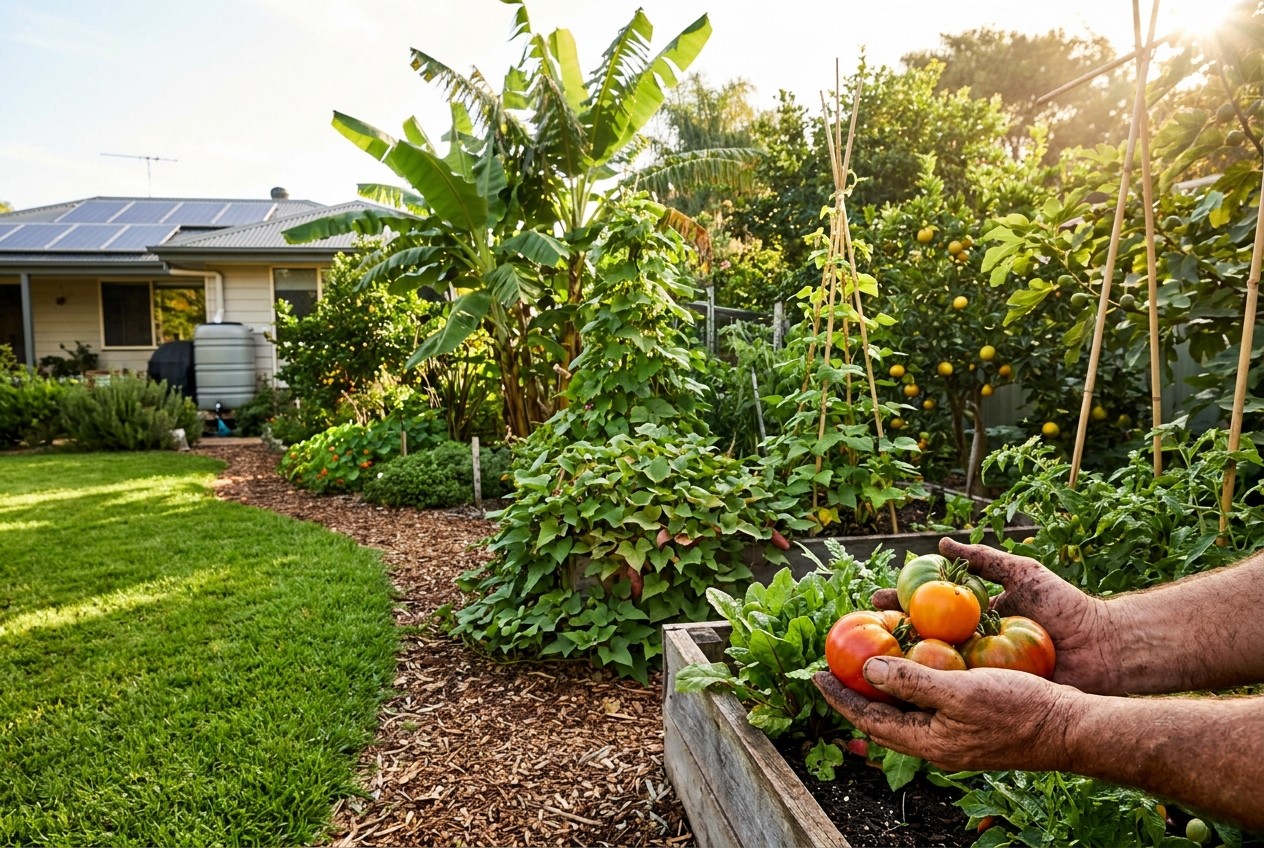
Permaculture, Food Sovereignty, and the Case for Radical Self-Reliance

Meta’s Facebook Found Liable for Deceiving Users in Cambridge Analytica Scandal

U.S. Troops Conduct Ground Operations in Ecuador’s Drug War, Officials Say

“Foundations in Farming and Homesteading + Pastured Laying Hens” on BrightU: What happens when the whole family works together

25 Tradeable Skills for Post-Collapse Scenario

“They overplayed their hand”: Trump expects more Iran talks, keeps strikes on table
