© Brighteon.com All Rights Reserved. All content posted on this site is commentary or opinion and is protected under Free Speech. Brighteon is not responsible for comments and content uploaded by our users.

Grow Green, Live Clean: Essential Organic Gardening Tips for a Thriving Garden
Introduction to Organic Gardening
Organic gardening is more than a hobby—it’s a lifestyle choice that nurtures both the earth and your well-being. By avoiding synthetic chemicals and embracing natural methods, you can grow vibrant, healthy plants while protecting the environment. Whether you’re a beginner or a seasoned gardener, these essential tips will help you cultivate a thriving organic garden that’s sustainable and rewarding.
Start with Healthy Soil
The foundation of any successful organic garden is nutrient-rich soil. Healthy soil teems with microorganisms that support plant growth. Begin by testing your soil to understand its pH and nutrient levels, then enrich it with organic matter like compost, aged manure, or leaf mold. Compost, made from kitchen scraps and yard waste, is a gardener’s gold—it improves soil structure, retains moisture, and feeds plants naturally. Turn your compost regularly to speed decomposition and avoid chemical fertilizers, which can harm soil life.
Choose the Right Plants
Selecting plants suited to your climate and soil type is key to a thriving garden. Native plants are often the best choice, as they’re adapted to local conditions and require less maintenance. For edible gardens, opt for organic, non-GMO seeds or seedlings from trusted sources. Companion planting—growing complementary plants together, like marigolds with tomatoes to deter pests—boosts garden health naturally. Research your region’s growing seasons to ensure you plant at the right time for optimal yields.
Natural Pest and Weed Control
Organic gardening means saying no to chemical pesticides and herbicides. Instead, use natural pest control methods like introducing beneficial insects, such as ladybugs, which eat aphids. Neem oil or insecticidal soap can tackle stubborn pests without harming pollinators. For weeds, mulching with straw, wood chips, or grass clippings suppresses growth while retaining soil moisture. Hand-weeding, though labor-intensive, is effective for small gardens and keeps your plot chemical-free.
Water Wisely
Water is vital, but overwatering wastes resources and can harm plants. Water deeply but infrequently to encourage strong root systems, and do so early in the morning to minimize evaporation. Use drip irrigation or soaker hoses to deliver water directly to roots, reducing waste. Collecting rainwater in barrels is an eco-friendly way to keep your garden hydrated while conserving resources.
Maintain Biodiversity
A diverse garden is a resilient garden. Mix flowers, herbs, and vegetables to attract pollinators like bees and butterflies, which boost crop yields. Rotate crops annually to prevent soil depletion and reduce pest buildup. Adding a small water feature or birdhouse invites wildlife, creating a balanced ecosystem that supports your garden’s health.
Conclusion
Organic gardening is a journey toward sustainability and connection with nature. By nurturing your soil, choosing the right plants, and using natural methods to manage pests and water, you can create a thriving garden that feeds your body and soul. Start small, experiment, and enjoy the rewards of growing green and living clean.
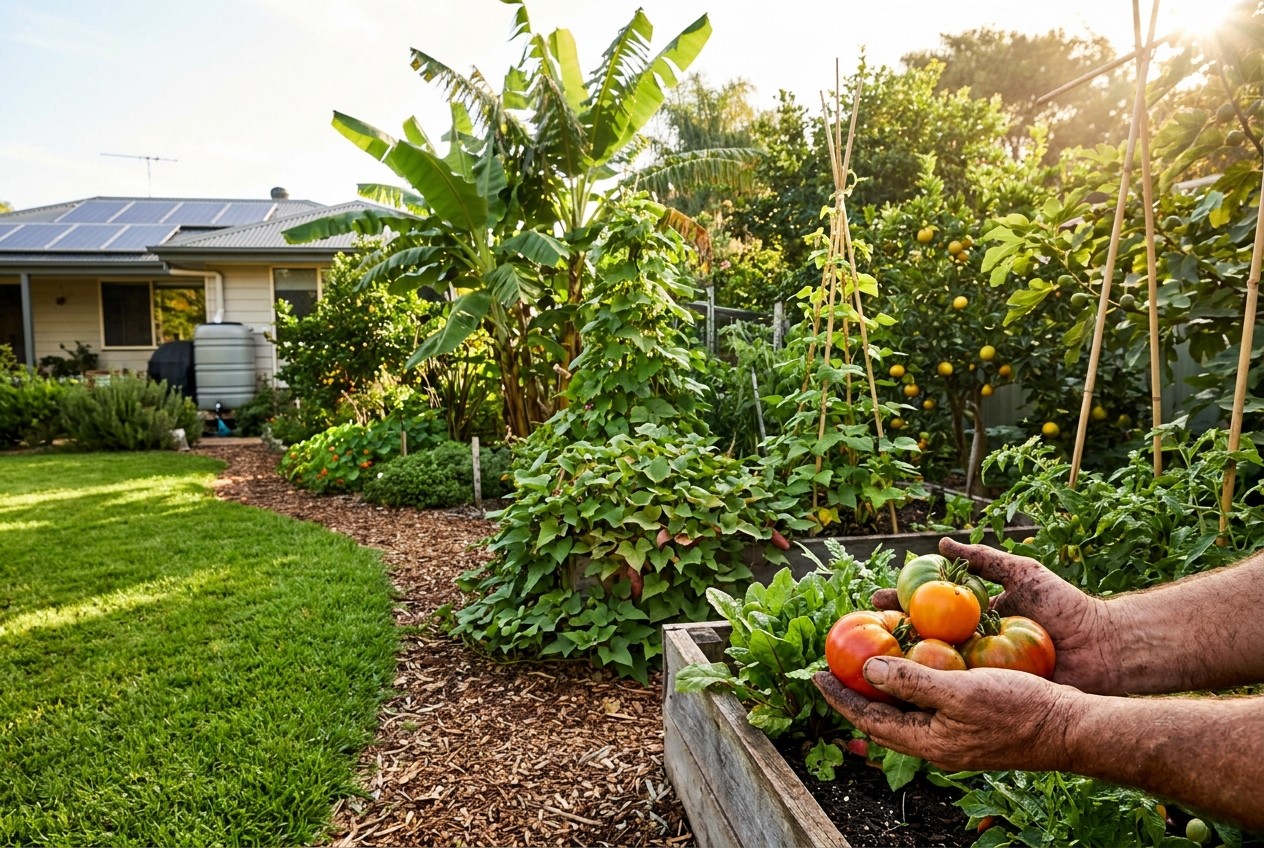
Permaculture, Food Sovereignty, and the Case for Radical Self-Reliance

“Foundations in Farming and Homesteading + Pastured Laying Hens” on BrightU: What happens when the whole family works together
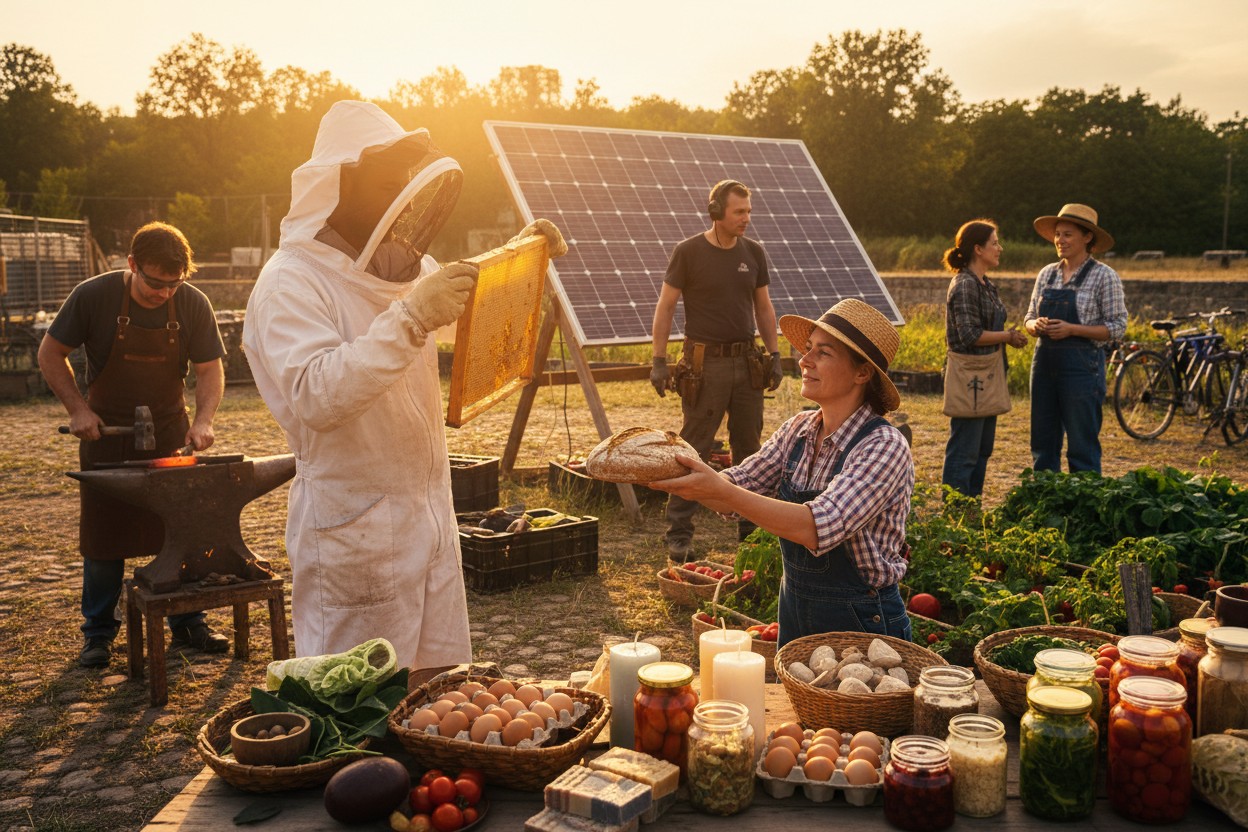
25 Tradeable Skills for Post-Collapse Scenario

Power banks: The unsung heroes of every survival kit
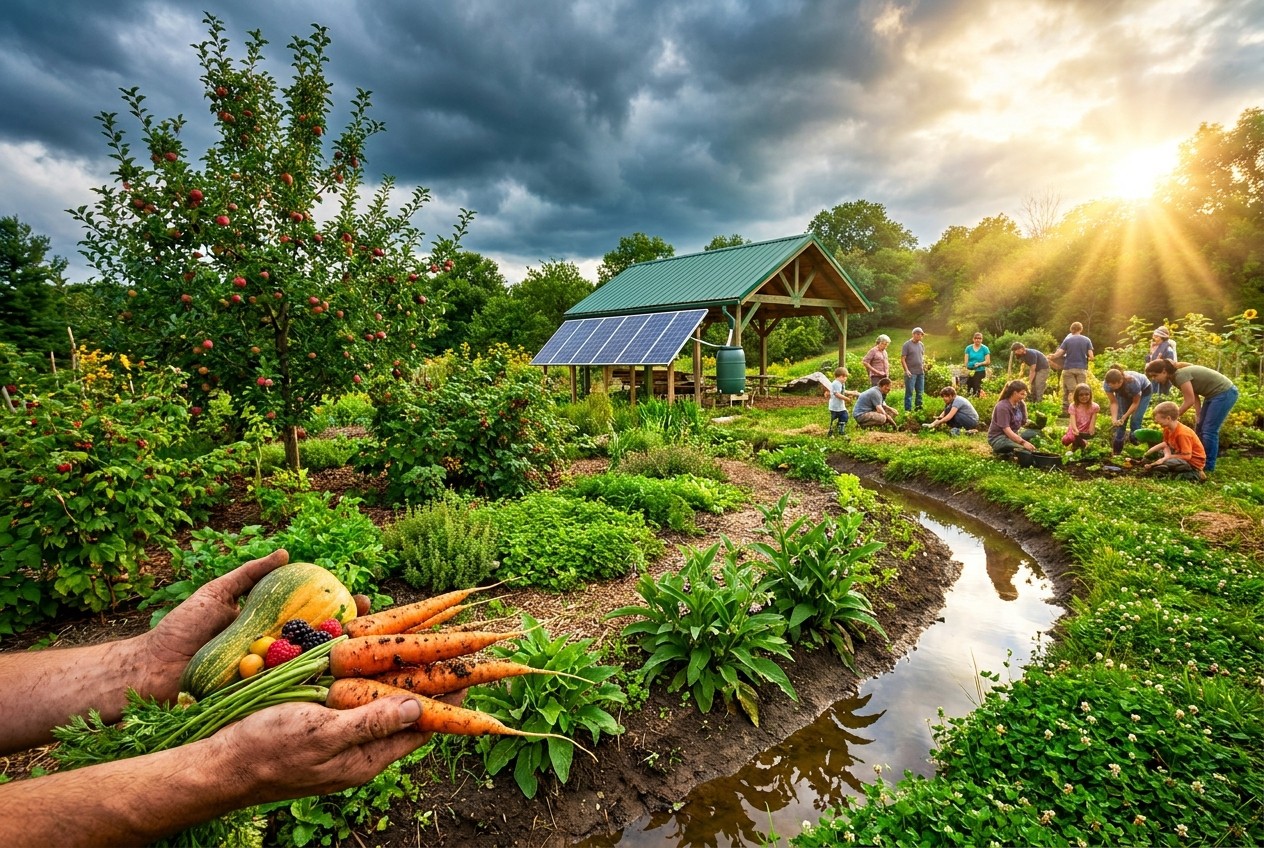
Food Resiliency Through Permaculture: Why We Must Become Self-Reliant to Thrive

“Foundations in Farming and Homesteading + Pastured Laying Hens” on BrightU: What it really takes to make eggs profitable
