© Brighteon.com All Rights Reserved. All content posted on this site is commentary or opinion and is protected under Free Speech. Brighteon is not responsible for comments and content uploaded by our users.
Permaculture Design Course 2021 (Geoff Lawton) - 2.13 – Pyramids, Food Webs, Growth, and Vegetarianism // 2.14 – Trophic Pyramid

554 followers
Follow
2
Share
Report
237 views • March 29, 2021
2.13 – Pyramids, Food Webs, Growth, and Vegetarianism
Learning Objectives -- At the end of the video you should be able to:
- Argue that the food pyramid is not an accurate assessment of the food chain
- Distinguish the design requirements of plant-based systems versus omnivorous systems
- Evaluate the dangers of both plant-based and omnivorous systems
Brief Overview:
The pyramid view of food supply lines, such as we find in today’s overly controlled chains, has man at the pinnacle moving down to animals then to the larger supply of insects and, ultimately, the largest of food supplies with plants. However, in reality, our systems are much more complex and more web-like, with interactions between all elements within the food chain.
In a plant-based diet, we have taken animals out of our system, which means we must carefully put all waste products—including from the bathroom— directly back into the garden. It’s the only way to maintain soil fertility, which animals naturally play a large role in maintaining. A plant-based diet from industrial systems is not from sustainable sources and damages the planet severely. The food is taken off the land and never returned, thus depriving the soil of its necessary cycling of nutrients.
Omnivorous diets—or farms—are the best expression of natural systems, as they include all of the elements that occur in nature. Animals play an important role in converting things that are inedible for humans into the fertility needed to grow things that we can eat. Without this component, it’s much more difficult to maintain soil life and fertility. In general, this provides the most nutritionally complete way of eating.
The downside to the omnivorous diet is that food toxins tend to accumulate higher up in the supply pyramid, meaning meat-eaters are more susceptible to poisons that might be within the supply chain. For plant-based diets, the issue more often is famine, when crop production goes awry and leaves little to eat. Regardless, the most sustainable, healthy way to get food is from your home garden.
Key Takeaways:
- Food supply lines are more complex than a simple top-to-bottom pyramid and behave more like food web.
- Plant-based diets require serious care to return all waste back to the garden to maintain soil fertility.
- Animals play a huge role in the food web, converting inedible plants into soil fertility, which can be used to grow food fit for humans.
-A diet, plant-based or otherwise, from industrial systems is not sustainable because the waste products are not being returned to the soil.
-Omnivorous diets best express the natural systems, as well as supply denser nutrition.
-Whatever the diet, the most sustainable way to obtain food is from a home garden.
-----------------------------------------
2.14 – Trophic Pyramid
Module 2: Concepts and Themes in Design
Overview:
The trophic pyramid, with humans right at the top, doesn’t explain how species actually interact within food consumption. Less a pyramid and more a matrix, most elements are omnivorous and participate in systems from the top to bottom. We all create waste products, which then decompose and feed the soil so that it can all cycle through again. Those at the top of pyramid are, in reality, inside a life web. An understanding of this, as it naturally is, helps us put everything into its rightful position when we are designing.
Learning Objectives -- At the end of the video you should be able to:
- Argue that the food pyramid is not an accurate assessment of the food chain
- Distinguish the design requirements of plant-based systems versus omnivorous systems
- Evaluate the dangers of both plant-based and omnivorous systems
Brief Overview:
The pyramid view of food supply lines, such as we find in today’s overly controlled chains, has man at the pinnacle moving down to animals then to the larger supply of insects and, ultimately, the largest of food supplies with plants. However, in reality, our systems are much more complex and more web-like, with interactions between all elements within the food chain.
In a plant-based diet, we have taken animals out of our system, which means we must carefully put all waste products—including from the bathroom— directly back into the garden. It’s the only way to maintain soil fertility, which animals naturally play a large role in maintaining. A plant-based diet from industrial systems is not from sustainable sources and damages the planet severely. The food is taken off the land and never returned, thus depriving the soil of its necessary cycling of nutrients.
Omnivorous diets—or farms—are the best expression of natural systems, as they include all of the elements that occur in nature. Animals play an important role in converting things that are inedible for humans into the fertility needed to grow things that we can eat. Without this component, it’s much more difficult to maintain soil life and fertility. In general, this provides the most nutritionally complete way of eating.
The downside to the omnivorous diet is that food toxins tend to accumulate higher up in the supply pyramid, meaning meat-eaters are more susceptible to poisons that might be within the supply chain. For plant-based diets, the issue more often is famine, when crop production goes awry and leaves little to eat. Regardless, the most sustainable, healthy way to get food is from your home garden.
Key Takeaways:
- Food supply lines are more complex than a simple top-to-bottom pyramid and behave more like food web.
- Plant-based diets require serious care to return all waste back to the garden to maintain soil fertility.
- Animals play a huge role in the food web, converting inedible plants into soil fertility, which can be used to grow food fit for humans.
-A diet, plant-based or otherwise, from industrial systems is not sustainable because the waste products are not being returned to the soil.
-Omnivorous diets best express the natural systems, as well as supply denser nutrition.
-Whatever the diet, the most sustainable way to obtain food is from a home garden.
-----------------------------------------
2.14 – Trophic Pyramid
Module 2: Concepts and Themes in Design
Overview:
The trophic pyramid, with humans right at the top, doesn’t explain how species actually interact within food consumption. Less a pyramid and more a matrix, most elements are omnivorous and participate in systems from the top to bottom. We all create waste products, which then decompose and feed the soil so that it can all cycle through again. Those at the top of pyramid are, in reality, inside a life web. An understanding of this, as it naturally is, helps us put everything into its rightful position when we are designing.
Keywords
FREE email alerts of the most important BANNED videos in the world
Get FREE email alerts of the most important BANNED videos in the world that are usually blacklisted by YouTube, Facebook, Google, Twitter and Vimeo. Watch documentaries the techno-fascists don't want you to know even exist. Join the free Brighteon email newsletter. Unsubscribe at any time. 100% privacy protected.
Your privacy is protected. Subscription confirmation required.
Recent News

The invisible shield: How Faraday technology is revolutionizing personal security and emergency preparedness
HRS Editors
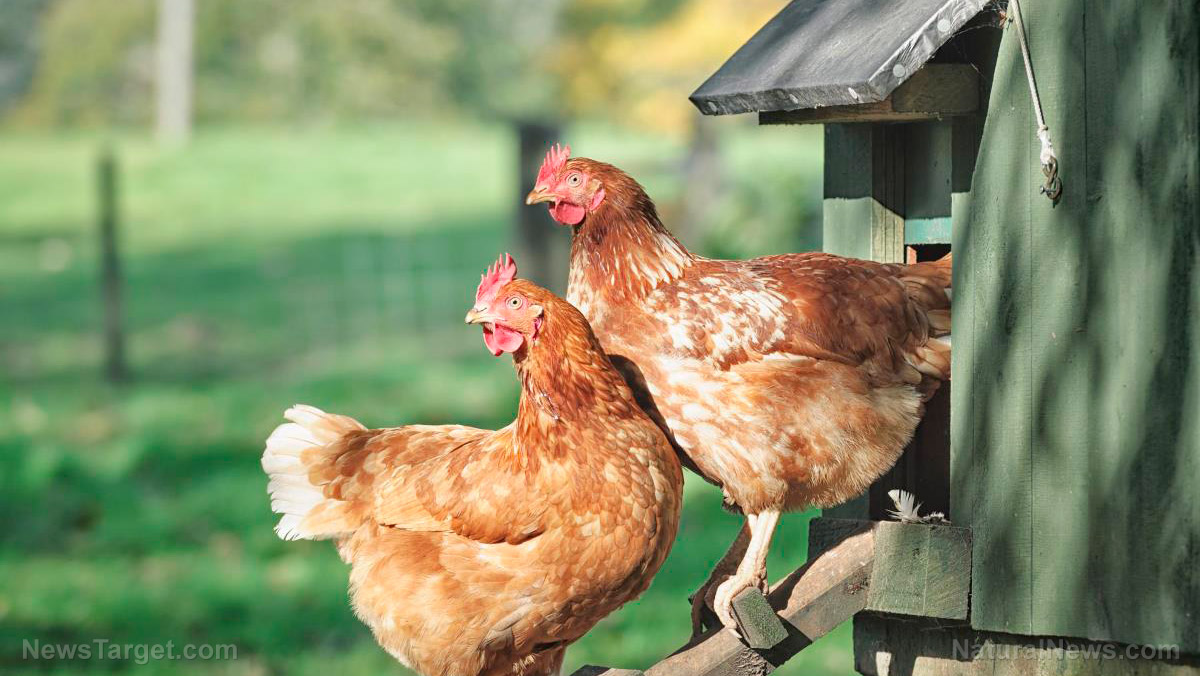
“Foundations in Farming and Homesteading + Pastured Laying Hens” on BrightU: Inside the hidden psychology of a laying hen
Belle Carter
A Prepping Mindset: Seven Motivation Methods for Preppers
Iva Greene

Non-GMO vitamin C: Why this essential nutrient deserves a spot in your daily routine and emergency stockpile
HRS Editors
Permaculture, Food Sovereignty, and the Case for Radical Self-Reliance
Mike Adams
“Foundations in Farming and Homesteading + Pastured Laying Hens” on BrightU: What happens when the whole family works together
Belle Carter
