© Brighteon.com All Rights Reserved. All content posted on this site is commentary or opinion and is protected under Free Speech. Brighteon is not responsible for comments and content uploaded by our users.
The Great Holocaust Appeal of Ernst Zundel
9 followers
Follow
0
Share
Report
25 views • February 17, 2022
Immediately following the initial 1985 trial, a number of leading Canadian politicians called for Zundel's deportation. If he was sentenced to six months or more in prison, a deportation hearing would automatically be in order. Zundel said that if he were deported it would be like returning to paradise, that is, to the old family farm, where there were "comforts, money and supporters." He also suggested that his pursuers would regret having taken him on. Some of his supporters would be angered by the decision and they would not have his "soft temperament and artistic sensibility." Indeed, right-wingers in the United States might react, and they would be less pleasant than he was: "They tend to shoot first and ask questions later."96
There was no violence. The defense paid for a complete transcript of the trial, and Christie prepared an appeal, which was heard by the Ontario Supreme Court (Court of Appeal) from 22 to 26 September 1986. The Court rendered judgment on 23 January 1987. 97 it concluded that Judge Locke had ruled properly on three important matters which were a part of the appeal. They accepted his ruling that Section 177 of the Criminal Code did not violate freedom of expression as guaranteed by the Canadian Charter of Rights and Freedoms. They confirmed his ruling that Professor Hilberg could testify as an expert witness as an exception to the usual refusal to admit such evidence because it constituted hearsay. Finally, in their "view, the judge exercised his discretion judicially in refusing to take judicial notice of the Holocaust."98
But they found that the judge had erred in five rulings. Because there had been so much publicity about Zundel, the judge should have allowed the defense challenge for cause in the selection of the jurors and should have advised Christie of the possibility of rephrasing the questions he wished to ask the prospective jurors. The judge erred in permitting the showing of the film about the concentration camps as an exception to the hearsay rule because the provenance of the narration was uncertain and because it contained assertions that went well beyond what could be seen in the film itself.99 He also should not have allowed an excerpt from a document by the International Committee of the Red Cross to be read into evidence because the document had been written after the war and not during "the usual and ordinary course of business" and because the witness knew nothing about the provenance of the document. Yet the Court also concluded that three kinds of evidence Ditlieb Felderer's photographs of Auschwitz, Zundel's models of the crematoria at Auschwitz, and Zundel's books in German-should have been admitted as evidence because they were relevant to Zundel's claims about the honesty of his beliefs. Finally, the judge had erred seriously in his instructions to the jury. He had not made clear that the Crown had to prove Zundel's "actual knowledge of the falsity of the statements" in his pamphlets, that is, that the "wilful blindness" in the language of Section 177 was "the equivalent of actual knowledge." Because of these deficiencies, the Crown would have to decide whether it wanted to prosecute again in a new trial. The Crown decided to do so, and the second trial commenced early in 1988.
There was no violence. The defense paid for a complete transcript of the trial, and Christie prepared an appeal, which was heard by the Ontario Supreme Court (Court of Appeal) from 22 to 26 September 1986. The Court rendered judgment on 23 January 1987. 97 it concluded that Judge Locke had ruled properly on three important matters which were a part of the appeal. They accepted his ruling that Section 177 of the Criminal Code did not violate freedom of expression as guaranteed by the Canadian Charter of Rights and Freedoms. They confirmed his ruling that Professor Hilberg could testify as an expert witness as an exception to the usual refusal to admit such evidence because it constituted hearsay. Finally, in their "view, the judge exercised his discretion judicially in refusing to take judicial notice of the Holocaust."98
But they found that the judge had erred in five rulings. Because there had been so much publicity about Zundel, the judge should have allowed the defense challenge for cause in the selection of the jurors and should have advised Christie of the possibility of rephrasing the questions he wished to ask the prospective jurors. The judge erred in permitting the showing of the film about the concentration camps as an exception to the hearsay rule because the provenance of the narration was uncertain and because it contained assertions that went well beyond what could be seen in the film itself.99 He also should not have allowed an excerpt from a document by the International Committee of the Red Cross to be read into evidence because the document had been written after the war and not during "the usual and ordinary course of business" and because the witness knew nothing about the provenance of the document. Yet the Court also concluded that three kinds of evidence Ditlieb Felderer's photographs of Auschwitz, Zundel's models of the crematoria at Auschwitz, and Zundel's books in German-should have been admitted as evidence because they were relevant to Zundel's claims about the honesty of his beliefs. Finally, the judge had erred seriously in his instructions to the jury. He had not made clear that the Crown had to prove Zundel's "actual knowledge of the falsity of the statements" in his pamphlets, that is, that the "wilful blindness" in the language of Section 177 was "the equivalent of actual knowledge." Because of these deficiencies, the Crown would have to decide whether it wanted to prosecute again in a new trial. The Crown decided to do so, and the second trial commenced early in 1988.
Keywords
FREE email alerts of the most important BANNED videos in the world
Get FREE email alerts of the most important BANNED videos in the world that are usually blacklisted by YouTube, Facebook, Google, Twitter and Vimeo. Watch documentaries the techno-fascists don't want you to know even exist. Join the free Brighteon email newsletter. Unsubscribe at any time. 100% privacy protected.
Your privacy is protected. Subscription confirmation required.
Recent News

“They overplayed their hand”: Trump expects more Iran talks, keeps strikes on table
Cassie B.

Global System Entering Age of Technological Entropy, Scholar Says
Garrison Vance
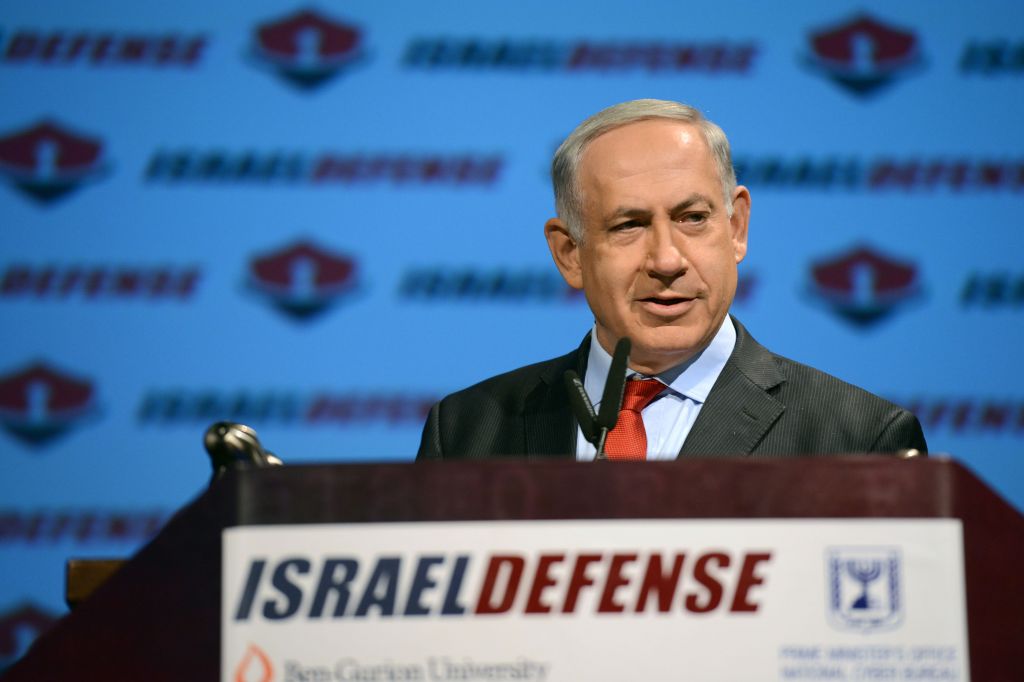
Democrats look to confront Benjamin Netanyahu, as a political reckoning with Gaza’s mounting death toll nears
Lance D Johnson
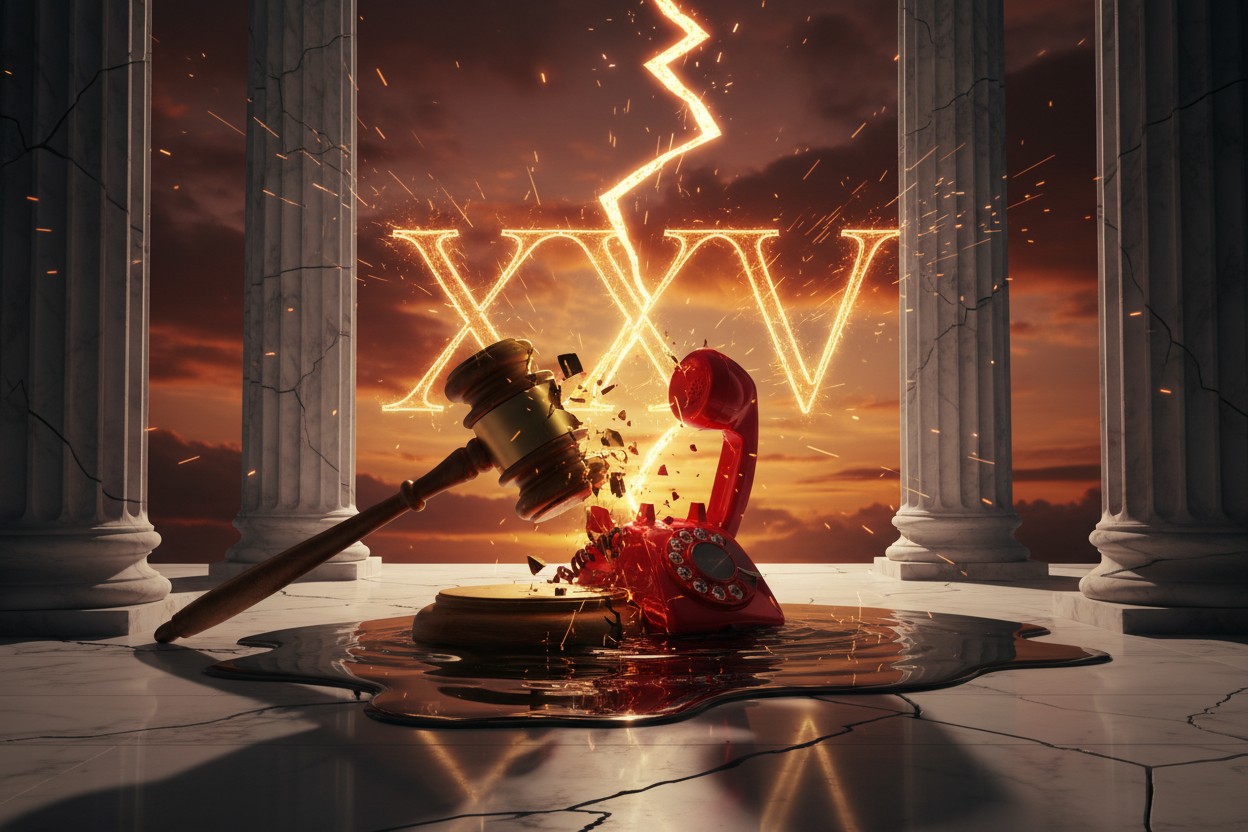
Tucker Carlson Urges 25th Amendment Against Trump Over Iran War, Axios Reports
Douglas Harrington

UAE, Azerbaijan Suspend Iranian Flights In Compliance With U.S. Sanctions
Garrison Vance

Trump Shelves Plans for Airstrikes on Mexico as Ties Improve, Officials Say
Garrison Vance
